Investing in Place: The Fowler and Boise's Central Addition
Investing in Place: The Fowler and Boise's Central Addition
One hundred and twenty-five years before The Fowler opened its doors, Joseph C. Straughan, Samuel Hays, and Walter S. Bruce platted fifteen acres of Lafayette Cartee's land into what they called the Central Addition, named for its closeness to the city and its mature landscaping. The neighborhood grew quickly, filling with a mix of grand homes and modest ones, home to everyone from Boise's early developers to shop clerks and seamstresses.
That mix held steady until 1893, when the Oregon Short Line Railroad extended its tracks along Front Street and put the Central Addition on what people at the time called the wrong side of the tracks. Higher-income residents moved out. By the 1970s, many of the original homes had been divided into apartments or torn down for parking lots and newer construction.
In 2015, the City of Boise adopted the Central Addition Master Plan, a deliberate effort to bring the neighborhood back around the same qualities that made it appealing in 1890: walkability, connectivity, diversity, and access to both built and natural amenities. That combination, a neighborhood with real history and a City committed to its future, is what drew Roundhouse to the site that would become The Fowler.
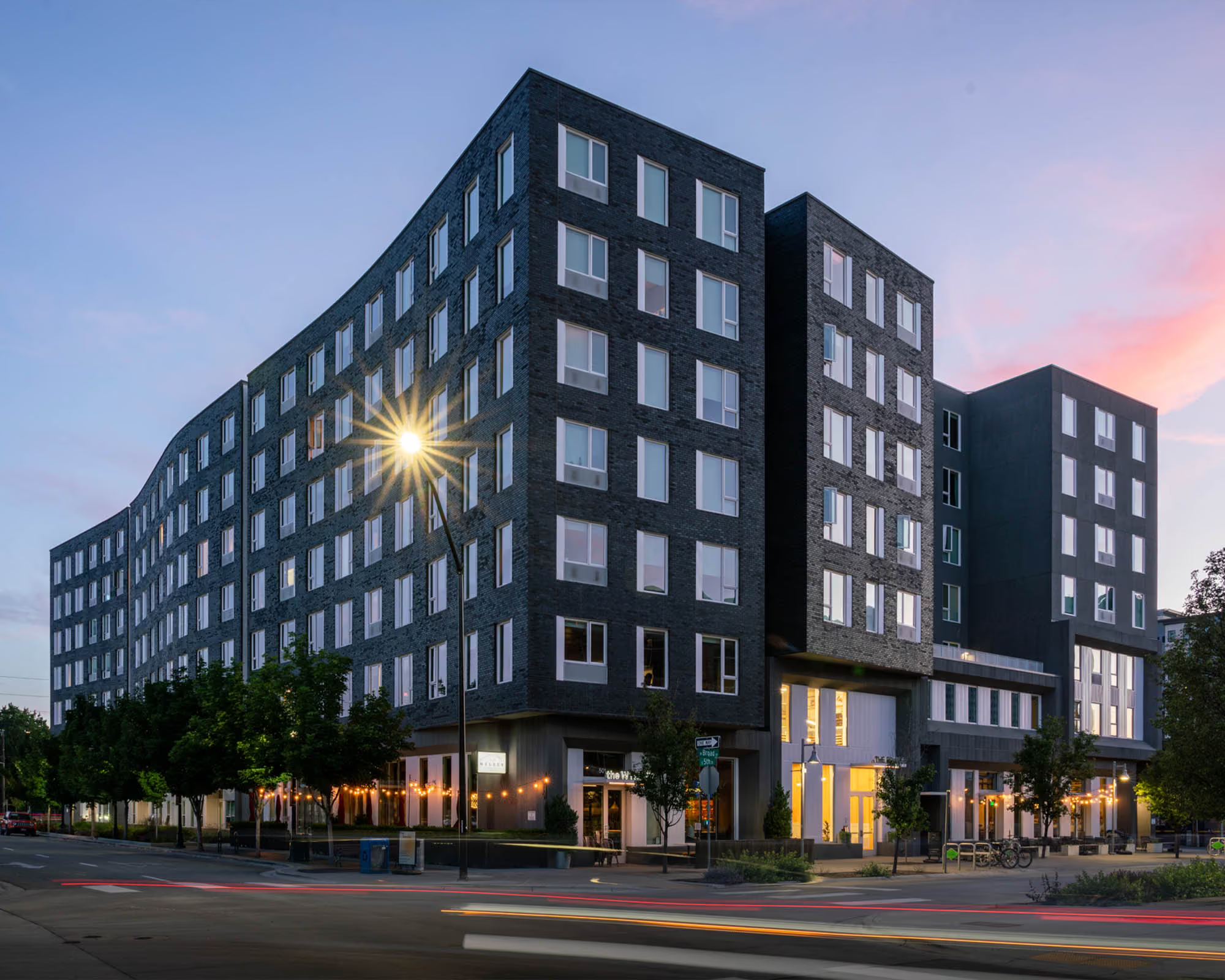
The Fowler opened in 2017 as downtown Boise's first mid-rise urban living community.
Preserving What Came Before
Building on that land meant making room for what already stood there, and Roundhouse worked with Preservation Idaho to relocate several of the neighborhood's historic homes rather than demolish them outright.
The Fowler House, built in 1894 for Edmund and Sophia Fowler at 413 S. Fifth St., moved to Boise's North End, where new owners renovated it as their own home. The Beck House, built in 1906, was dismantled and rebuilt in the Elmore County community of Atlanta. The Wood House, built in 1893, had belonged to Mary Wood, the first librarian at Boise's original Carnegie Library, and found a new owner and site nearby. The Stewart House, built the same year for Idaho Supreme Court Justice George Stewart, proved too large to move affordably and was ultimately salvaged.
One local account of the neighborhood's decline and revival put it plainly: the remaining homes, however faded, stood as reminders of "a time when Boise aspired to urbane greatness." That same ambition shaped what Roundhouse set out to build in its place.
Investing in What's Next
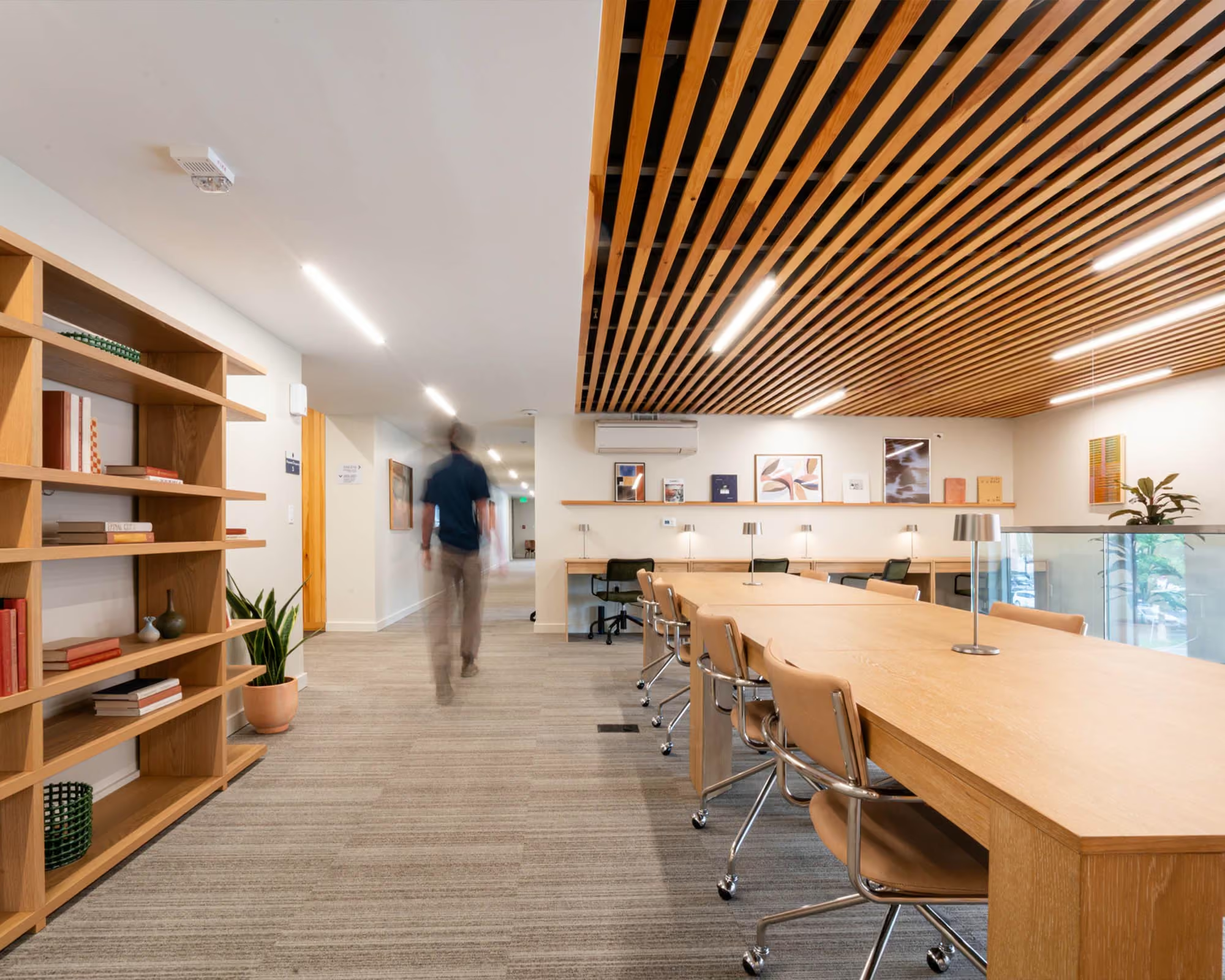
The Fowler opened in 2017 as downtown Boise's first mid-rise urban living community, a seven-story, 159-unit building at 505 W Broad St. Opening the doors was never the end of the work. In the years since, Roundhouse has continued investing in the property, most recently through a full renovation and rebrand that touched amenity spaces, hallways, and home entries throughout the building, with a design direction built around lifestyle over luxury rather than flash for its own sake.
Ongoing reinvestment like this reflects how Roundhouse thinks about every asset in its portfolio. Opening a community is the beginning of a relationship with that property and its neighborhood, not the conclusion of one. Buildings age, resident needs shift, and neighborhoods keep evolving, and staying in step with that takes continued attention and continued capital, not just one single moment of investment.
A Neighborhood That Delivers
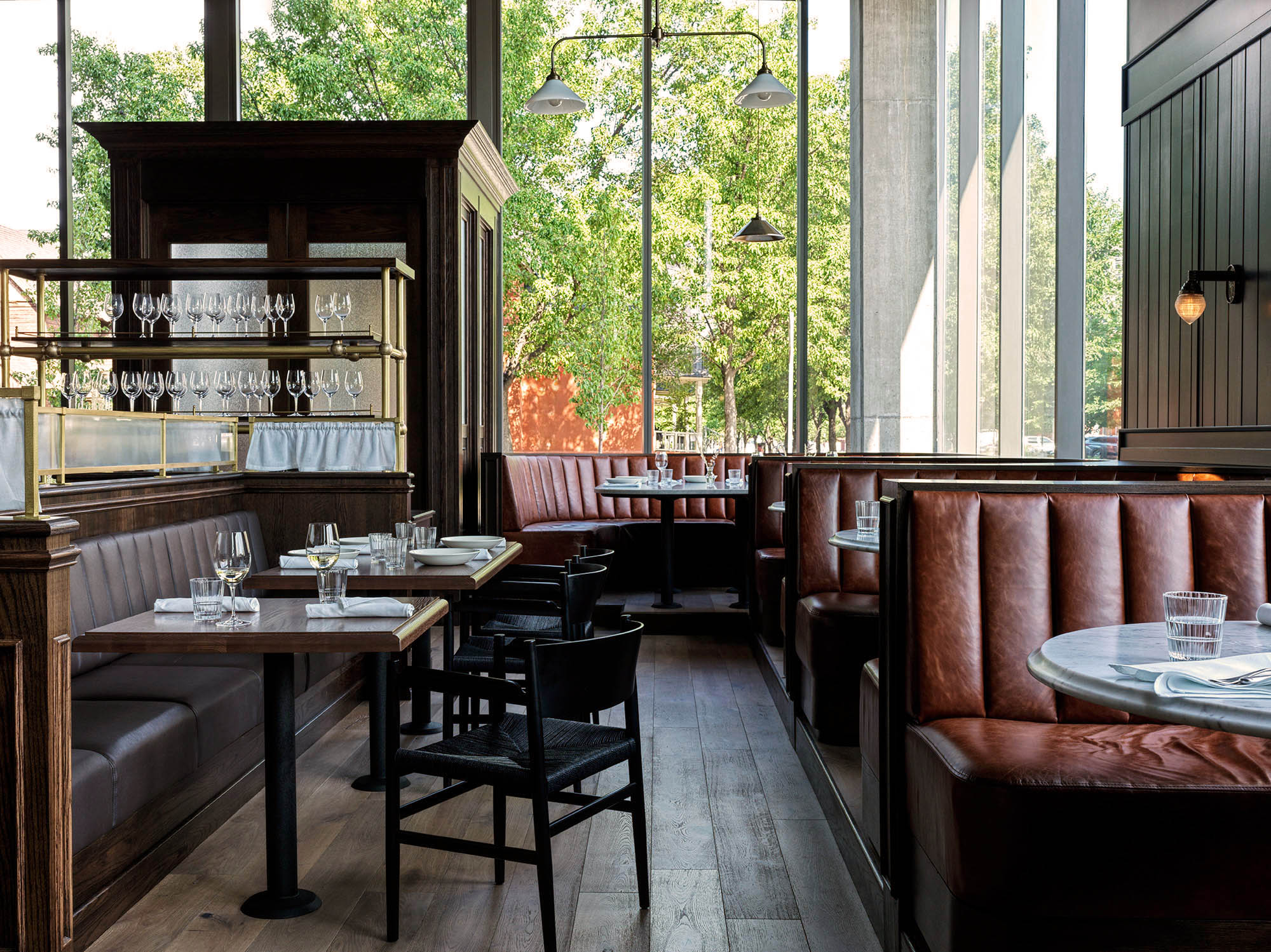
Part of what makes that ongoing investment worthwhile is the neighborhood itself. Residents at The Fowler are minutes from Trader Joe's, Boise Brewing, UpCycle, Form & Function Coffee, and The Wylder, creating the same kind of walkable, urban, locally rooted mix that made the Central Addition worth building in the first place.
The Central Addition has changed character more than once in its history. What has stayed consistent is the reason people wanted to live there: a real neighborhood, in the middle of a growing city, built on what was already here. The Fowler is Roundhouse's continuing investment in that idea, and in the residents who choose to make it home.
Footer
.jpg)